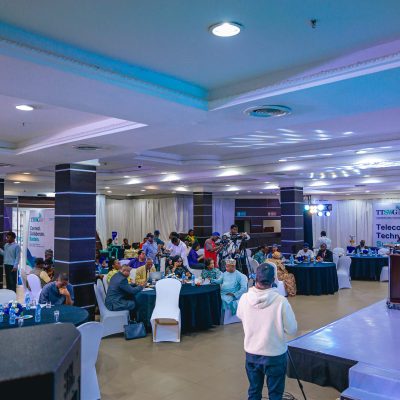
Stakeholder Strategy Breakfast · 17 September 2026
Shaping a more sustainable digital future for Nigeria.
TTSWG convened leaders from across Nigeria’s telecommunications and technology ecosystem to build a shared vision for a more sustainable, resilient and inclusive digital economy.
Thursday, 17 September 2026
Abuja Continental Hotel, Abuja
Convened by
Telecommunications and Technology Sustainability Working Group
Participants
Industry, regulators, academia, startups and development partners
Looking ahead
A shared vision for 2027–2032
The conversation
“Shaping the Future of Sustainable Telecommunications and Technology in Nigeria: A Shared Vision for 2027–2032.”
01. The engagement
One industry. A shared sustainability agenda.
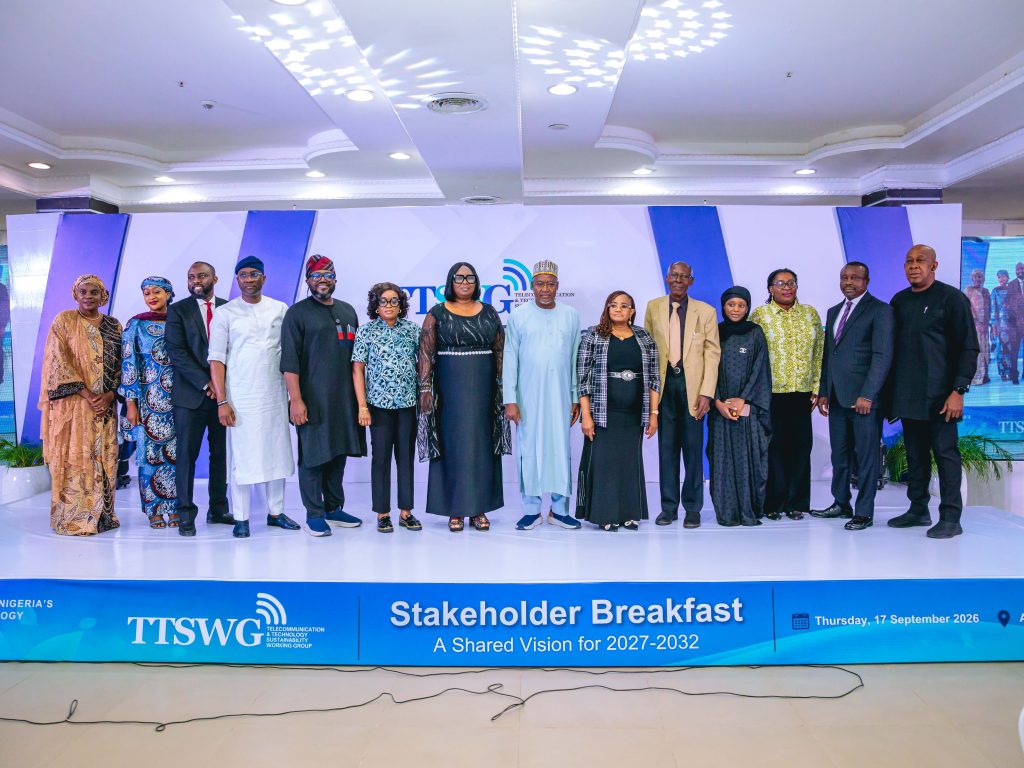
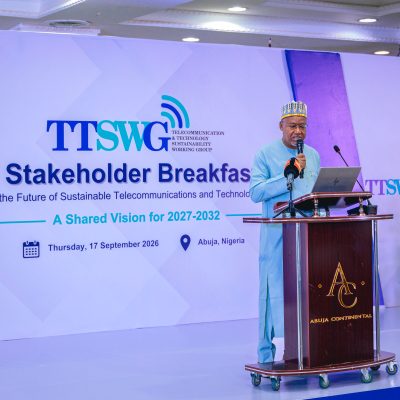
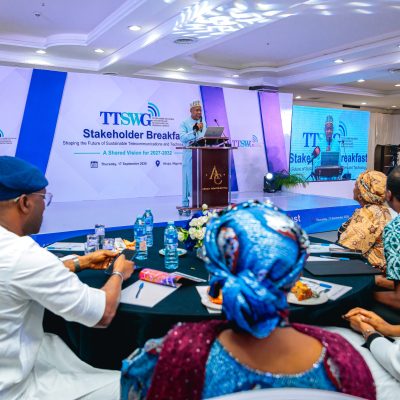
The Telecommunications and Technology Sustainability Working Group (TTSWG) convened key stakeholders from Nigeria’s telecommunications and technology ecosystem for a Stakeholder Strategy Breakfast on Thursday, 17 September 2026, at the Abuja Continental Hotel, Abuja.
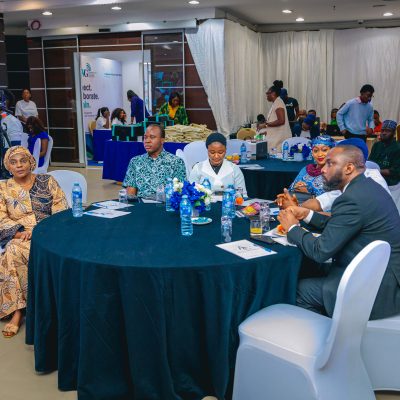
The engagement brought together representatives of the Nigerian Communications Commission (NCC), telecommunications operators, technology companies, academia, development organisations, startups and sustainability professionals.
Participants deliberated on a shared pathway towards a more sustainable, resilient and inclusive digital economy, with a focus on translating strategic priorities into practical action.
02. The proposed framework
A framework for measuring progress.
A major highlight was the presentation of TTSWG’s proposed Sustainability Strategy and National Telecom Sustainability Index (NTSI), designed to establish measurable indicators for assessing sustainability performance across Nigeria’s telecommunications industry.
01
Environmental sustainability & energy transition
Environmental performance and the transition to more sustainable energy.
02
Digital inclusion & affordability
Supporting a more inclusive and accessible digital economy.
03
Digital integrity & consumer trust
Strengthening integrity and trust across the digital ecosystem.
04
Infrastructure resilience & governance
Building resilient infrastructure and stronger governance practices.
05
Supply chain sustainability & local value creation
Promoting sustainable supply chains and local value creation.
03. Perspectives from the room
Leadership, policy and industry perspectives.
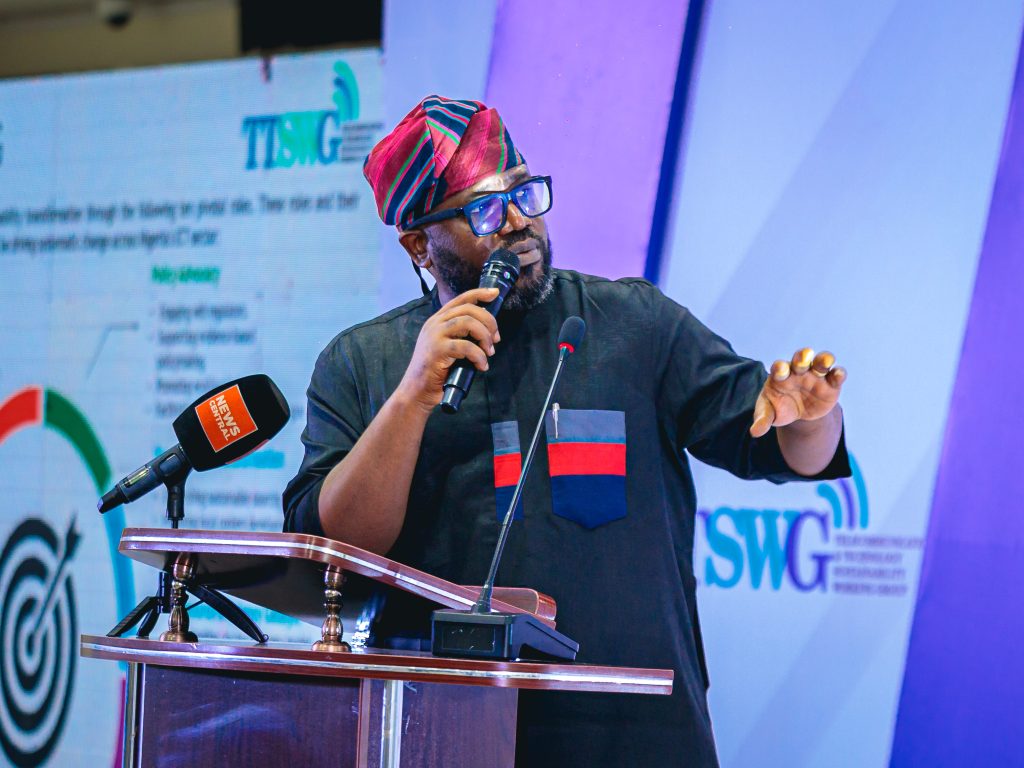
The session featured perspectives on collective action, institutionalising sustainable practices and aligning the sustainability agenda with Nigeria’s digital economy priorities.
Engr. Abdu-Waya Mohammed
Chairman, TTSWG Board
Emphasised collective industry action on rising energy costs, greenhouse gas emissions, electronic waste and digital exclusion. He highlighted collaboration, renewable energy adoption, governance and innovation as important parts of the proposed strategy.
Bankole Oloruntoba
Chief Executive Officer, Nigeria Climate Innovation Centre (NCIC)
Highlighted TTSWG’s multi-stakeholder role and the shared industry responsibility to institutionalise sustainable practices, drive innovation, create jobs and improve investment prospects.
Helen Obi
Director, Digital Economy Department, Nigerian Communications Commission
Recognised alignment with priorities including broadband expansion, resilient connectivity, digital skills, local device manufacturing and assistive technologies, and encouraged formal submission of the proposed framework for review.
The interactive session gave stakeholders an opportunity to share perspectives, identify gaps and contribute recommendations towards refining the proposed strategy and sustainability metrics.
Stronger collaboration
Build stronger industry collaboration and stakeholder participation.
Access to finance
Improve access to financing for innovation.
Standards and action
Align with international sustainability standards and translate research and policy priorities into measurable outcomes.
With the support of
Our supporting partners.
The engagement was supported by IHS Nigeria and the Nigeria Climate Innovation Centre (NCIC).
SPONSOR
IHS Nigeria
PARTNERS
Nigeria Climate Innovation Centre
Looking ahead
Advancing an industry where technology and sustainability move forward together.
TTSWG remains committed to stakeholder engagement, research, knowledge sharing, policy dialogue and collaborative initiatives.